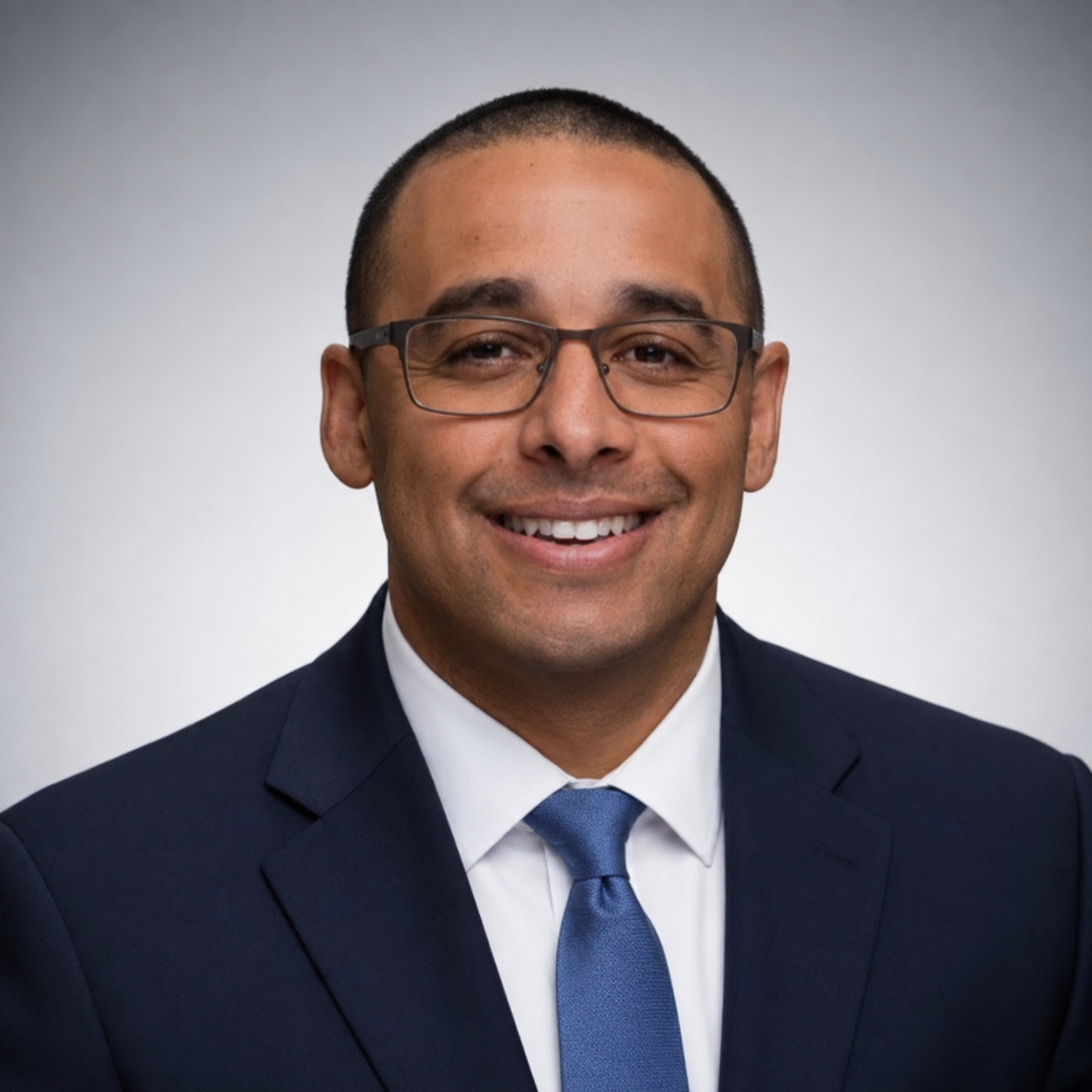
PROFESSIONAL BIOGRAPHY
Dr. Dwayne Hodges is a distinguished academic, industry leader, and entrepreneur with over 20 years of experience in higher education, consulting, and curriculum development. He currently serves in a dual capacity at Wake Forest University School of Professional Studies as the Inaugural Academic Director for the Information Technology Leadership graduate program and a Professor of the Practice in Cybersecurity Leadership, and also serves as a Professor for the University of Maryland Global Campus.
As a business owner, Dr. Hodges delivers strategic consulting and fractional CTO/vCISO services to organizations, particularly within the Defense Industrial Base (DIB). With 20 years of military service, including a distinguished career as a retired Army Cybersecurity Officer and combat veteran, he has led complex transformation initiatives across highly regulated environments, focusing heavily on Governance, Risk, and Compliance (GRC).
Dr. Hodges is an active CMMC LCCA (Lead Cybersecurity Assessor) within the CMMC ecosystem, leading assessments and developing compliance programs for DIB companies from start to finish. He is a member of the global training and assessment firm ecfirst, serving as their vCISO and Senior Director leading CMMC engagements. He is known for building and leading cross-functional cybersecurity teams, guiding product development, and providing strategic advisory services, with a focus on curriculum innovation that bridges academia and industry.
His collaborative leadership has earned recognition as a TEDx speaker, induction into the CEH Cybersecurity Hall of Fame, and service as Technical Editor for CISSP Exam Cram. Dr. Hodges holds four degrees, including a Doctorate in Education and Organizational Leadership and Master's degrees in Information Systems, Systems Security, and Public Administration, alongside industry certifications including CISSP, CCISO, CCA, CCP, CNDA, and CEH. He is an active board member for Strayer University Information Technology Programs Industry Board and has contributed to curriculum guidelines for post-secondary cybersecurity degree programs, remaining active with groups such as the ND-ISAC DoD Assessment working group, NDIA, and AFCEA.